
Land Rover vehicles are known for capability, comfort, and performance, but like any high-end vehicle, serious engine problems can become expensive quickly.
For many owners, the first signs of trouble may seem small. A warning light comes on. The engine starts making noise. The vehicle overheats once. Oil pressure drops. A repair is attempted, but the issue comes back.
Eventually, the question becomes more serious:
Can this engine be repaired, or does it need to be replaced?
At Rebuilt Remastered, we help Land Rover and Range Rover owners, repair shops, mechanics, and dealerships find rebuilt engine and drivetrain solutions when major engine problems lead to replacement.
1. Engine Overheating
Overheating is one of the most serious Land Rover engine problems because it can damage multiple parts of the engine.
A Land Rover or Range Rover engine may overheat because of coolant leaks, thermostat issues, radiator problems, water pump failure, head gasket issues, or previous repairs that did not fully solve the problem.
Even one overheating event can create long-term damage if the engine gets hot enough. In some cases, the vehicle may seem fine at first, but internal damage can show up later as coolant loss, misfires, compression problems, or continued overheating.
If overheating has happened more than once, it is important to have the engine inspected carefully before spending more money on smaller repairs.
2. Engine Knocking or Ticking Noises
A knocking or ticking noise can be a warning sign of internal engine wear.
Some noises may come from timing components, valve train issues, oil pressure problems, or worn internal parts. Other times, the sound may point to deeper damage inside the engine.
If the noise gets louder, changes with engine speed, or comes with warning lights, low oil pressure, misfires, or poor performance, the problem should not be ignored.
For many Land Rover and Range Rover owners, engine knocking is one of the signs that leads them to start researching engine replacement options.
3. Timing Chain Problems
Timing chain issues can become a major repair on certain Land Rover and Range Rover engines.
When timing components wear or fail, the engine may run poorly, make rattling noises, trigger warning lights, or lose proper timing. If the issue becomes severe, it can lead to internal engine damage.
Timing-related problems are especially important because they can affect how the engine runs at a basic mechanical level. If ignored too long, what starts as a timing issue can become a much larger engine failure.
This is one reason owners often compare repair costs against the cost of a rebuilt Land Rover engine or rebuilt Range Rover engine.
4. Low Oil Pressure
Low oil pressure is another serious warning sign.
An engine depends on proper oil pressure to protect internal parts. When oil pressure drops, components may not receive the lubrication they need. This can lead to accelerated wear, noise, overheating, and internal engine damage.
Low oil pressure may be caused by oil leaks, worn internal components, oil pump issues, poor maintenance history, or previous damage.
If a Land Rover engine has been driven with low oil pressure, the damage may already be deeper than it appears. In those cases, replacement may become the more practical option.
5. Coolant Leaks and Coolant Loss
Coolant leaks should always be taken seriously, especially on high-value engines.
A small leak can quickly become a major problem if the vehicle continues to lose coolant or overheat. Coolant loss may come from hoses, radiator issues, water pump failure, thermostat housing problems, internal leaks, or head gasket concerns.
The biggest risk is that the driver may not notice the issue until the engine has already overheated.
Repeated coolant loss, overheating, or coolant contamination can create the type of internal damage that leads to engine replacement.
6. Loss of Compression
Compression problems often point to internal engine damage.
A Land Rover or Range Rover engine may lose compression because of valve issues, piston damage, cylinder wear, head gasket failure, or other internal problems.
Symptoms can include:
- Rough running
- Misfires
- Hard starting
- Loss of power
- Poor performance
- Check engine light
- Failed compression test
When compression is low in one or more cylinders, a repair shop may recommend deeper inspection. Depending on the cause and severity, engine replacement may be more practical than trying to repair the original engine.
7. Misdiagnosed Repairs That Do Not Last
One of the most frustrating situations for owners is paying for repairs that do not solve the real problem.
A vehicle may receive new sensors, ignition parts, cooling system parts, gaskets, or other repairs, but the original issue keeps coming back. In some cases, the engine problem was more serious than it first appeared.
This is common with major engine issues because symptoms can overlap. Overheating, misfires, warning lights, coolant loss, oil pressure problems, and rough running may all point to different possible causes.
That is why proper diagnosis and fitment support matter before spending thousands of dollars on parts or replacement.
8. Seized Engine or Complete Engine Failure
A seized engine is one of the clearest signs that replacement may be needed.
This can happen when internal parts are damaged, lubrication fails, overheating becomes severe, or the engine is driven after a serious warning sign.
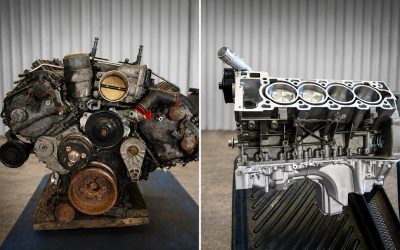
When an engine seizes or fails completely, repair options become limited. At that point, many owners begin searching for a Land Rover engine replacement, Range Rover engine replacement, or rebuilt engine option.
Repair or Replace: How Do You Decide?
Not every engine problem requires replacement. Some issues can be repaired if they are caught early and properly diagnosed.
However, replacement may make more sense when:
- The engine has overheated repeatedly
- There is internal knocking
- Oil pressure has been low
- Compression is poor
- Timing damage is severe
- Repairs have already failed
- The engine has seized
- The cost of repair is approaching replacement cost
- The vehicle is still worth keeping
For many owners, a rebuilt Land Rover engine or rebuilt Range Rover engine can be a smarter option than continuing to repair an engine with serious internal damage.
Why Fitment Matters Before Buying a Replacement Engine
Before purchasing a replacement engine, fitment needs to be confirmed carefully.
Land Rover and Range Rover engines can vary by year, model, engine size, drivetrain configuration, emissions requirements, and other vehicle-specific details.
Before ordering, it is helpful to have:
- Vehicle year
- Exact model
- Engine size
- VIN if available
- Current engine symptoms
- Mechanic diagnosis
- Photos or part numbers if available
This information helps confirm the correct replacement engine and reduces the risk of ordering the wrong part.
Rebuilt Land Rover Engines from Rebuilt Remastered
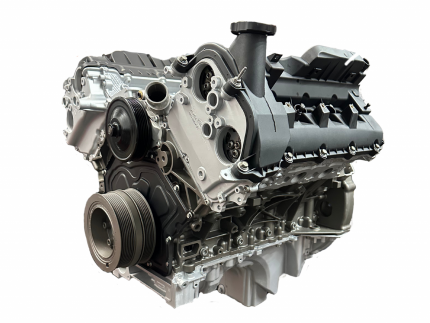
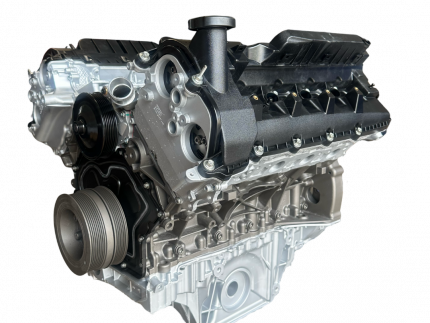
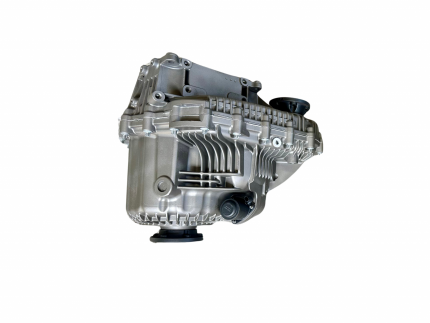
Rebuilt Remastered specializes in rebuilt Land Rover and Range Rover engines, transfer cases, differentials, and drivetrain components.
We are not a generic parts reseller. Our team works with Land Rover drivetrain components every day and understands how important fitment, communication, and reliability are when purchasing a high-value replacement part.
If your Land Rover engine has failed, or if your mechanic has recommended engine replacement, our team can help you review your options and confirm the right fit before you order.
0 Comments